Discover Pégase Express
Our tips:
- Expect the backwards ride
- Ideal as a first roller coaster
- Shorter queues
Pégase Express
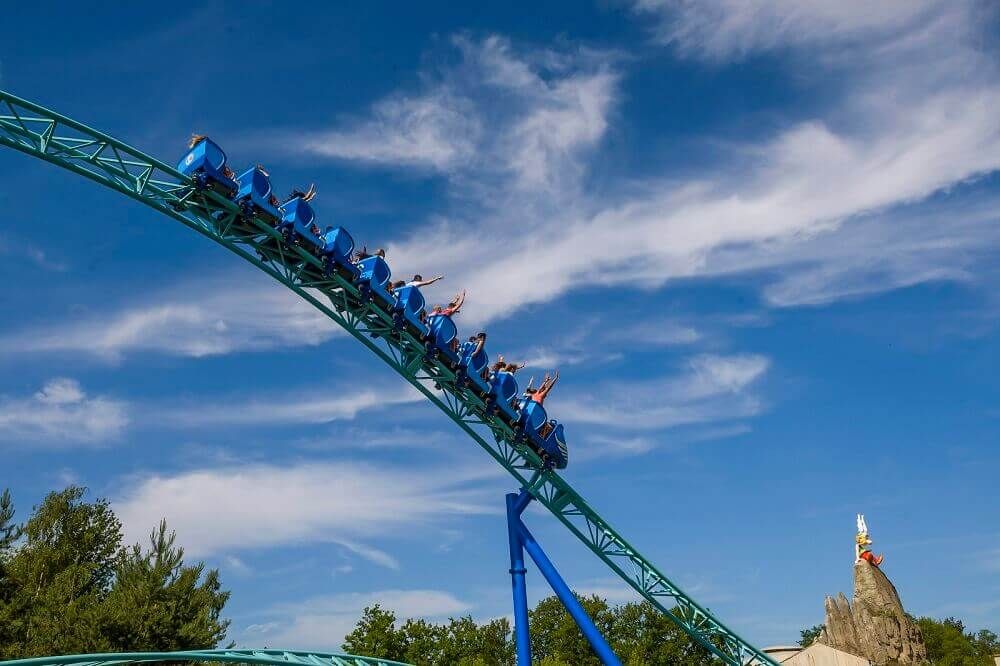
Pégase Express is the family coaster in the Greek area. You depart from Montparnoss station and ride through mythical cities to the temple of the dangerous Medusa. The coaster opened in 2017. On the park's Dutch-language website it is called Pegasus Expres.
The concept
The train takes you past Olympia, Lutetia and Alexandria on the way to Medusa's temple. As soon as danger looms, the train shoots backwards onto the track. The coaster was built by Gerstlauer and has two launches.
The Experience
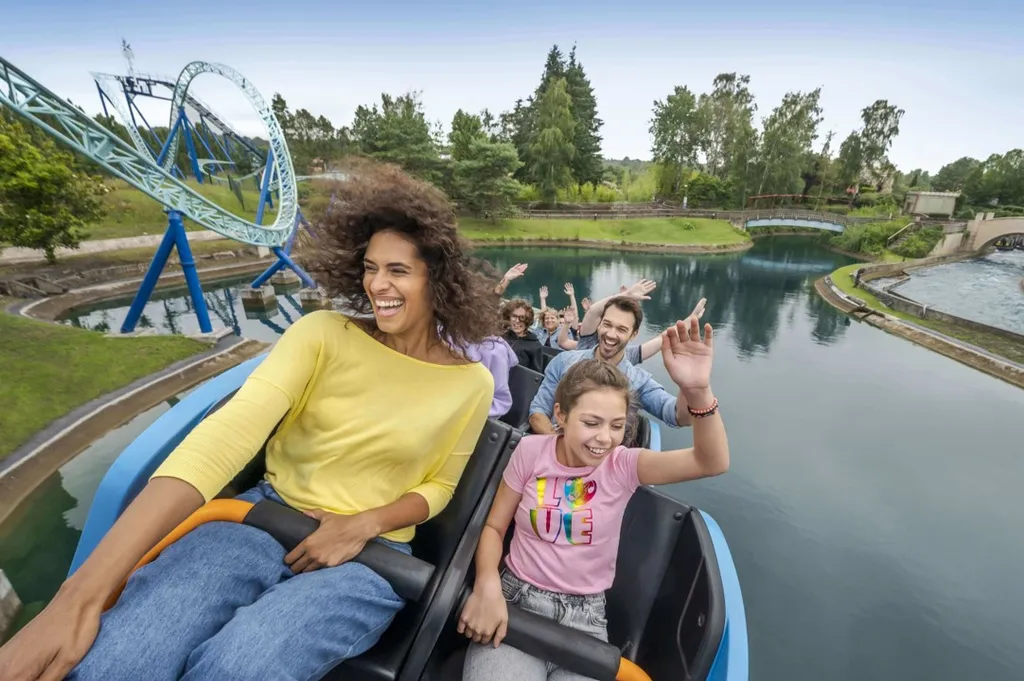
The park promises chicanes, dips and bumps. The track is just over 900 metres long and reaches up to 21 metres high. You hit around 50 km/h: fast enough for butterflies in your stomach, but without inversions. The backwards section makes for a surprising moment.
Discover Pégase Express
Expect the backwards ride
At a certain point the train rides backwards. According to the park, that is unique in Europe.
Ideal as a first roller coaster
From 1.00 metre you can ride when accompanied. A good step for children who are ready for something more thrilling.
Shorter queues
This attraction is part of Filotomatix, the park's paid queue-jump system. You buy it online or in the app, on top of your ticket (as of November 2026).
Visitor information
From 1.00 metre you can ride when accompanied. From 1.30 metres you can ride alone. This attraction is part of Filotomatix, the park's paid fast-track system. You buy it online or in the app, on top of your ticket (as of November 2026). With Baby Switch, parents don't have to queue twice: one parent rides while the other waits with the child, then boards without queuing. Ask a member of staff. An on-ride photo is taken on this attraction. With the Pass Paparazix, on sale at the attractions' photo points, you get the photos from several attractions.
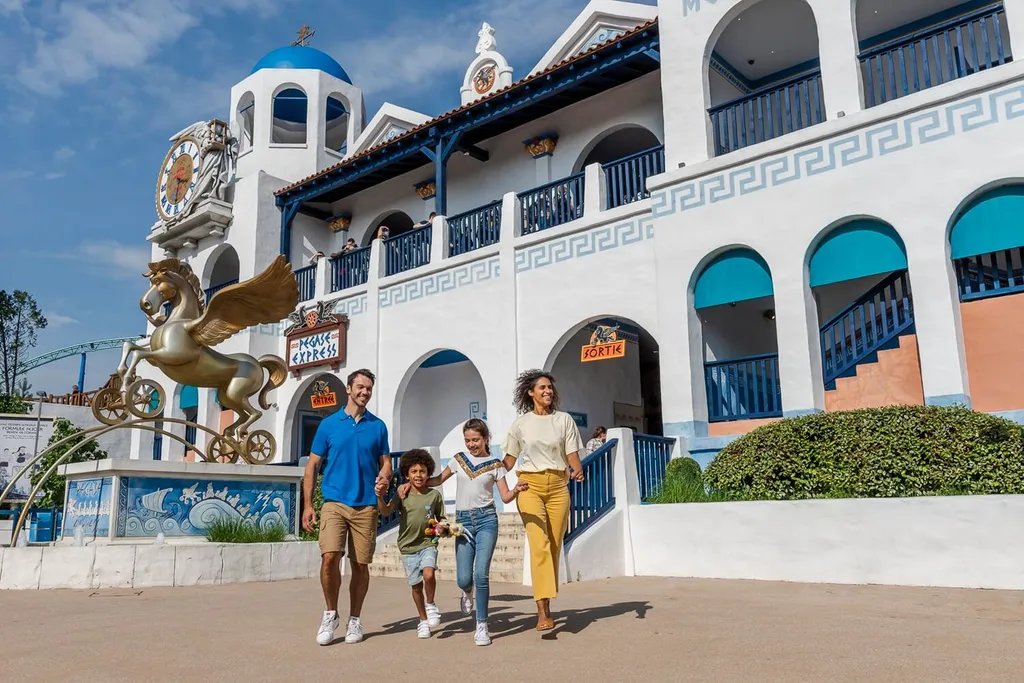
Thrills for the whole family
Pégase Express is one of the park's most popular family attractions. Combine it with Le Vol d'Icare and L'Hydre de Lerne, also in the Greek area.
Read also