



Animals and gardens
Home » Theme Parks » Paultons Park » Animals and gardens
More than just rides
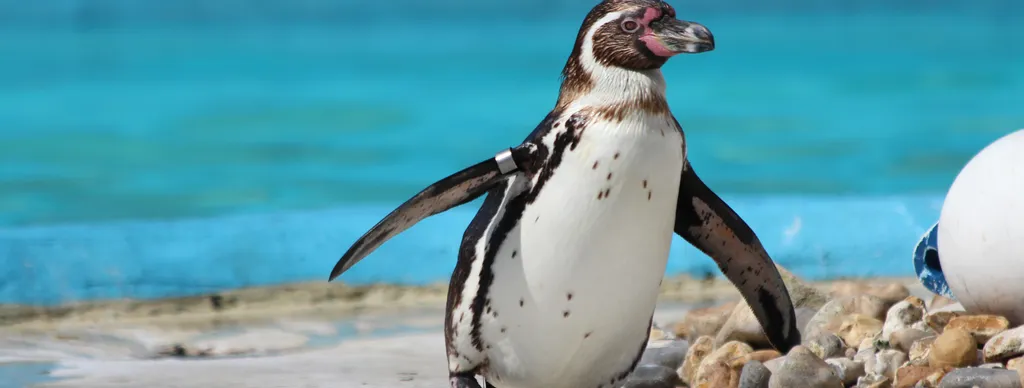
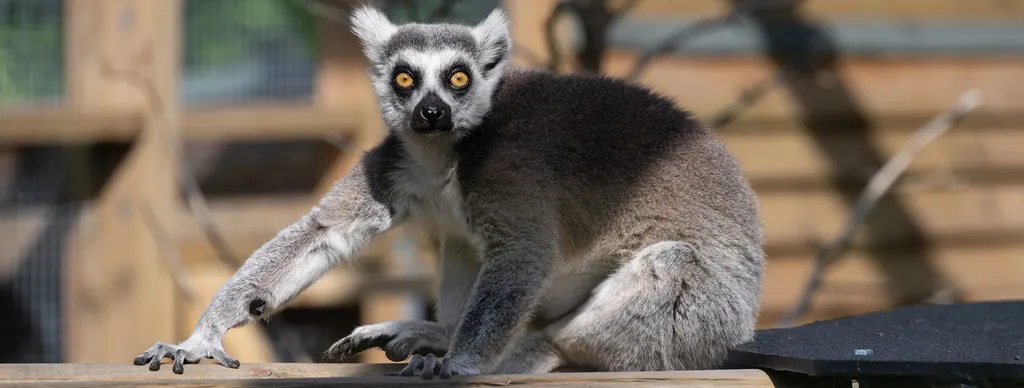
Paultons Park is also a small zoo. According to the park, more than 90 species live there, from Humboldt penguins and ring-tailed lemurs to reptiles and colourful birds. The park is also set on an old estate, with gardens, a lake and a historic water mill. A nice change of pace between the rides.
The animals
In Wild Lands, behind Peppa Pig World, you'll see meerkats, yellow mongooses and Cape porcupines. In the middle is a walk-through aviary with birds such as the lilac-breasted roller, the black-crowned night heron and the superb starling; in November 2026 it's temporarily closed. The park is also home to Humboldt penguins, with a large pool where you can also see them swimming underwater, a family of ring-tailed lemurs, flamingos, pelicans and a giant tortoise.
The penguins are fed every day at 12.00pm and 3.30pm and the meerkats at 2.00pm, with a talk from the keepers.
A good zoo
Paultons Park is accredited by BIAZA, the association of zoos in Britain and Ireland. According to the park, this accreditation goes further than the statutory inspection. The park supports Sahara Conservation and Sphenisco, which protects wild Humboldt penguins in Chile and Peru, among others.
Since 2023 the park has been taking part in a project to bring back the New Forest cicada. This insect hasn't been seen in the United Kingdom since the early 1990s. Paultons Park rears the cicadas, to release them into the New Forest later.
The gardens
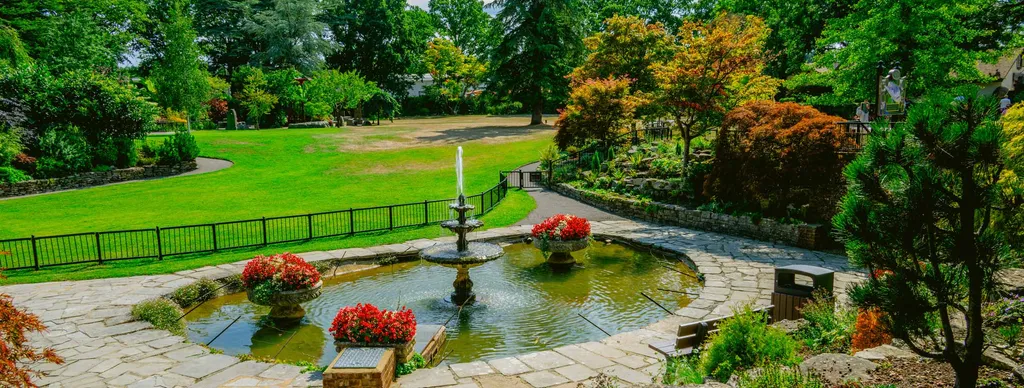
On the site of the old Paultons manor house, which burned down in 1963, the gardens partly laid out by the famous landscape architect Capability Brown still remain. Some of the cedars are more than 180 years old.
- The Main Garden: lawns, a fountain and the old cedars.
- John and Anne's Garden: a tribute to the founders, with a glass flower fountain and an exhibition on the history of the park in the old tennis pavilion.
- The Japanese Garden: water, stones and tranquillity.
- Victorian Garden, Jungle Falls, African Garden and Forest Friends Garden: with topiary figures such as a rhino, an elephant, a crocodile and a fox.
- Snakes & Ladders Garden and the Rockery, a sheltered picnic spot by the old cellars of the manor house.
The water mill and the lake
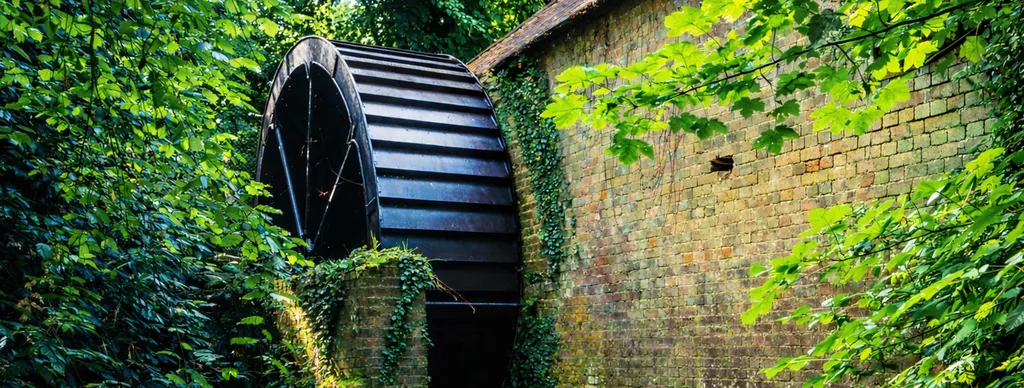
The Water Mill was built around 1860 and, according to the park, is one of the few working water wheels of this type in the United Kingdom. The wheel has a diameter of 4.5 metres and 56 metal buckets. It used to power a saw bench for the trees on the estate.
The horseshoe-shaped lake is fed by a tributary of the Test. With a bit of luck you'll see herons, cormorants, muntjac deer or even a kingfisher. Along the Discovery Trail you walk through woodland and marsh, with information boards and more than 40 nesting boxes for birds and bats.
Plan the feeding
Put the feeding times of the penguins (12.00pm and 3.30pm) and the meerkats (2.00pm) in your day plan.
Assistance dogs
Assistance dogs are welcome, but must stay 3 metres away from the animals and aren't allowed in the walk-through aviary.
A moment of calm
According to the park, the Japanese Garden, Jungle Falls and the riverside path are the quietest places to take a breather.